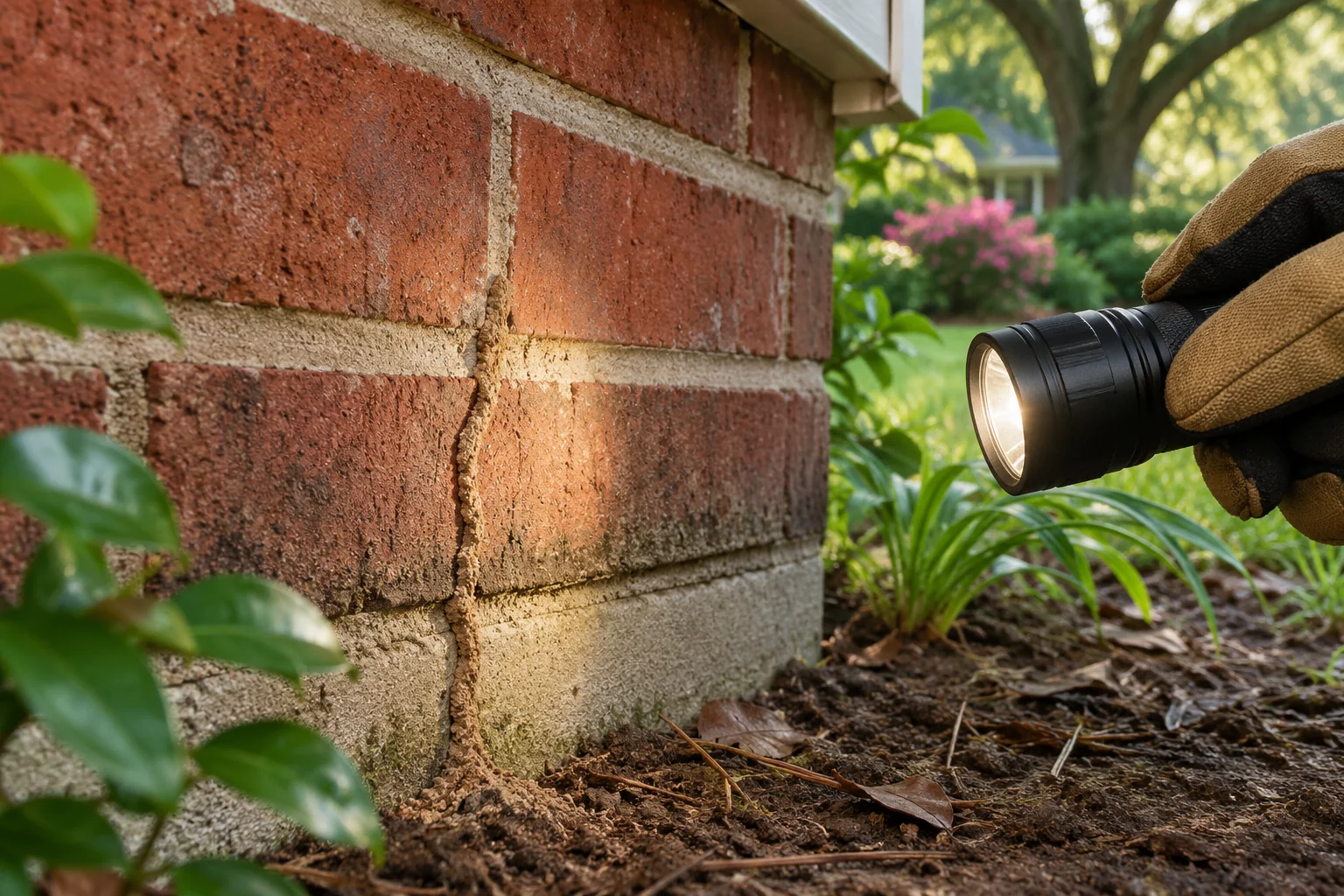
A crawl space can expose foundation walls, piers, sill plates and floor framing to inspection, but access and visibility vary. Tell the provider about standing water, low clearance, damaged access doors or obstructing storage before a Birmingham visit. Do not enter an unsafe crawl space to collect photographs or move materials.
Treatment planning should distinguish active termite evidence from moisture damage and old marks. Piers, plumbing penetrations, wood-to-soil contact and inaccessible corners may need different attention. Ask how the proposed method reaches the identified entry points and how any inaccessible areas will be documented.
Insulation, vapor barriers and encapsulation can affect inspection visibility. Coordinate those projects with termite protection rather than covering evidence or treating encapsulation as insect control. Structural repairs and moisture correction have separate scopes; confirm responsibilities, safe access and any changes required to an existing contract.
Compare termite inspection and termite prevention when planning the next step. Call (323) 689-7617 with your property address to confirm the requested service and current availability.
How it works
- 1
Describe the property and signs
Give the full address, observed evidence and any previous termite or pest records.
- 2
Confirm the assessment
Check the requested service, charge, access and availability for the property.
- 3
Review the written scope
Compare findings, treatment choices, exclusions, follow-up and contract terms.
Pricing
Ask about inspection charges, the written treatment scope, follow-up and ongoing service costs before booking. A property-specific quote is needed.